Videos
Aug. 23, 2026
Early Recording Battles: The Fight for the Future of Recorded Sound.
Acid-etched zinc discs, nearly blank labels, bootlegged pressings, and courtroom knife fights over patents: the early disc recording era is wilder than most people realize. We pick up part three of our conversation with collector and historian Jack Stanley to map the real origin story of early disc records, from Emil Berliner’s first gramophone experiments to the rival companies that turn recorded sound into a global business. We talk through how Berliner discs are made, why they are louder and tougher than early cylinders, and why their historical value can dwarf their audio quality. Then we follow the people and the power: Frank Seaman’s breakaway push that leads to Zonophone, the confusing world of early pressings with little to no documentation, and how “pirated” records were sometimes made right in the heat of competition. From there, the conversation zooms out to the manufacturing and marketing that define the 78 rpm era. We dig into Doranoid’s influence on shellac disc compos…
Aug. 23, 2026
Early Recording Battles: The Fight for the Future of Recorded Sound
Acid-etched zinc discs, nearly blank labels, bootlegged pressings, and courtroom knife fights over patents: the early disc recording era is wilder than most people realize. We pick up part three of our conversation with collector and historian Jack Stanley to map the real origin story of early disc records, from Emil Berliner’s first gramophone experiments to the rival companies that turn recorded sound into a global business. We talk through how Berliner discs are made, why they are louder and tougher than early cylinders, and why their historical value can dwarf their audio quality. Then we follow the people and the power: Frank Seaman’s breakaway push that leads to Zonophone, the confusing world of early pressings with little to no documentation, and how “pirated” records were sometimes made right in the heat of competition. From there, the conversation zooms out to the manufacturing and marketing that define the 78 rpm era. We dig into Doranoid’s influence on shellac disc compos…
Aug. 23, 2026
Washington's Farewell Address Performed by Harry E. Humphrey (1913) Played on the Edison Amberola 1A
“No words can increase the glory of the immortal Washington” is the kind of line that can turn a founder into a statue. We go the other direction and treat Washington as a living source of leadership lessons, pulling from the language of his farewell to ask what still applies to American politics right now. We talk through the shift from celebration to substance: the dream of having Washington’s voice recorded, the image of him laying aside office and walking back to Mount Vernon as an ordinary citizen, and the quiet power of a leader choosing restraint over control. That choice isn’t just history, it’s a blueprint for peaceful transitions of power and a reminder that a republic depends on culture as much as it depends on law. Then we sit with the hardest lines, the ones that sound like they were written for the age of polarization: moderating the fury of party spirit, warning against the mischiefs of foreign intrigue, and guarding against the impostures of pretended patriotism. We …
Aug. 19, 2026
Rise and Progress of the Negro: William Howard Taft gives a campaign speech on August 5, 1908
Rise and Progress of the Negro: William Howard Taft gives a campaign speech in Hot Springs, Virginia, on August 5, 1908 in which he stresses the advancement of the Negro since his freedom from slavery and the Republican platform demanding justice to all men and enforcement of the 13th, 14th, and 15th amendments of the Constitution. Listen to a rare William Howard Taft speech on this vintage Victor record. Hear the 1908 recording Rights and Progress of the Negro. This video features a close look at a historical artifact from the early 20th century. We examine the physical record and play it on a period-accurate gramophone to preserve the audio quality of this significant speech. This content is for collectors of antique media and students of political history who want to hear how leaders communicated during the Taft era. By analyzing this vintage Victor record, viewers gain insight into the specific rhetoric used regarding civil rights during the early 1900s. The footage provides a …

Aug. 18, 2026
Rise and Progress of the Negro: William Howard Taft gives a campaign speech on August 5, 1908
Rise and Progress of the Negro: William Howard Taft gives a campaign speech in Hot Springs, Virginia, on August 5, 1908 in which he stresses the advancement of the Negro since his freedom from slavery and the Republican platform demanding justice to all men and enforcement of the 13th, 14th, and 15th amendments of the Constitution.
Aug. 16, 2026
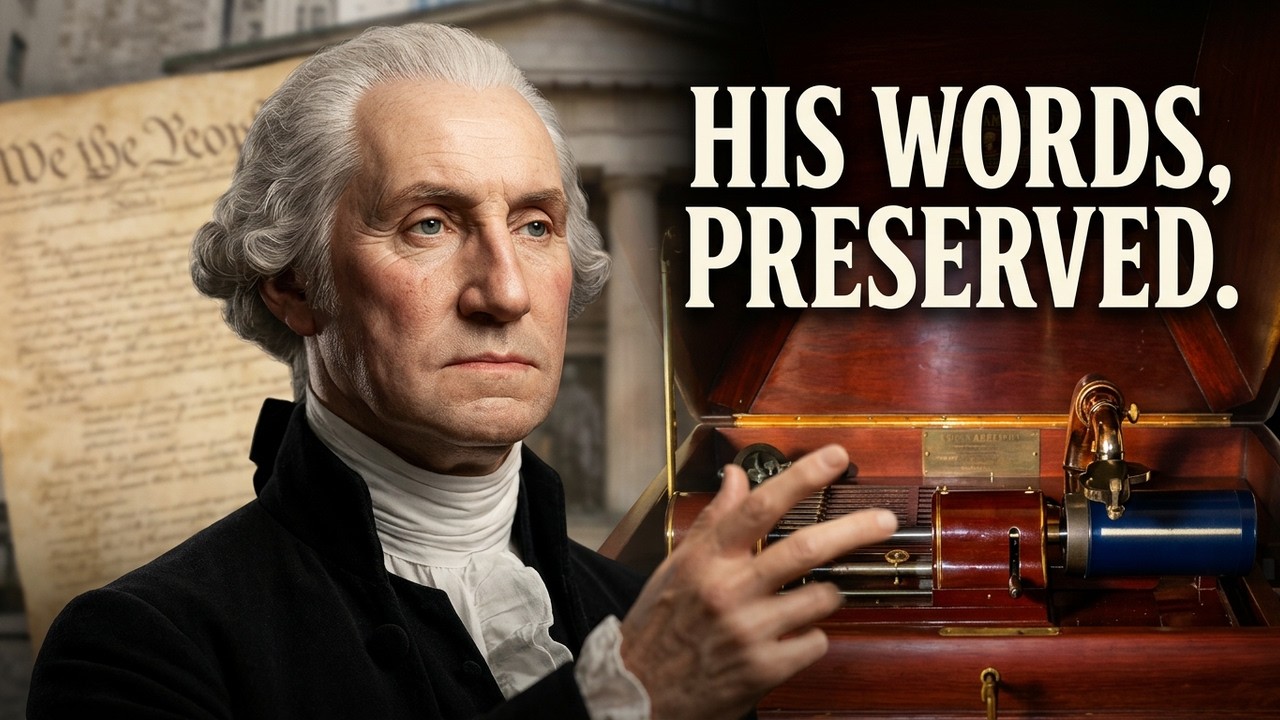
Washington's Farewell Address Performed by Harry E. Humphrey (1913) Played on the Edison Amberola 1A
“No words can increase the glory of the immortal Washington” is the kind of line that can turn a founder into a statue. We go the other direction and treat Washington as a living source of leadership lessons, pulling from the language of his farewell to ask what still applies to American politics right now. We talk through the shift from celebration to substance: the dream of having Washington’s voice recorded, the image of him laying aside office and walking back to Mount Vernon as an ordinary citizen, and the quiet power of a leader choosing restraint over control. That choice isn’t just history, it’s a blueprint for peaceful transitions of power and a reminder that a republic depends on culture as much as it depends on law. Then we sit with the hardest lines, the ones that sound like they were written for the age of polarization: moderating the fury of party spirit, warning against the mischiefs of foreign intrigue, and guarding against the impostures of pretended patriotism. We …

Aug. 10, 2026
Part Two: The Phonograph Changed Everything
Recorded sound is so normal now that we barely notice it, but the first time people heard a phonograph it felt impossible. Jack Stanley returns to unpack the social history of early sound recording: the disbelief, the tests, the accusations of fraud, and the moment audiences realized a machine could capture a human voice and play it back on command. We talk about Edison’s instincts for showmanship and why the phonograph succeeds not just as an invention, but as a public spectacle. From there we follow the medium as it grows up. Wax grooves, cylinders, and discs turn a novelty into a product people bring into the home, changing what music access looks like for everyday listeners who may never see an opera house or Broadway stage. We dig into the birth of the modern recording industry through Columbia, Victor, and the gramophone era, including the power of branding, the Nipper image, and the surprising economics of early records when a few minutes of music can cost a week’s pay. The c…

Aug. 9, 2026
Thomas Edison: Part 1 - "The Wizard Of Menlo Park"
Thomas Edison didn’t just invent. He performed. Historian Jack Stanley joins us to unpack the side of Edison most biographies smooth over: the theatrical, image-aware operator who knew how to turn a technical breakthrough into a world-stopping moment. We talk about what Jack learned from deep research in Edison’s notebooks and private library, plus stories passed down by people who actually knew the family, including insights from Theodore Edison. We dig into the early phonograph story with the kind of detail collectors love: the tinfoil era, why “Mary Had a Little Lamb” was a practical choice, and how people still confuse tin foil with modern aluminum foil. Then we follow Edison onto the train to New York, where he drops the phonograph on a Scientific American editor’s desk and lets the machine introduce itself. That single piece of showmanship helps ignite the “Wizard of Menlo Park” legend and starts a decades-long obsession with sound recording, control, and public attention. Fro…

Aug. 2, 2026
Inventing Motion Pictures with Sound: Thomas Edison, WKL Dixon, a stick of gum and a Broken Cylinder
The remarkable story of how a stick of Wrigley's chewing gum rescued a priceless piece of cinema history unfolds in this fascinating exploration of Edison, innovation, and overlooked genius. When historian Jack Stanley joins us to discuss a historic photograph from Edison's laboratory, what emerges is an incredible tale of rediscovery and ingenuity spanning over a century. Recorded July 2025. While Thomas Edison gets credit for inventing motion pictures, the real pioneer was his employee William Kennedy Laurie Dixon. As Stanley reveals, Edison's true genius was "being brilliant enough to realize he wasn't brilliant" – surrounding himself with specialized talent like Dixon who developed film sprockets, created the first film studio (the "Black Maria"), and ultimately produced the first synchronized sound film in 1894, showing men dancing while Dixon played violin. The story takes an extraordinary turn when Stanley shares his firsthand account of being present in 1995 when the origina…

July 24, 2026
"The Ideal Republic" is from William Jennings Bryan’s 1900 presidential nomination acceptance speech
Another Item from History's Agenda Historical Speech Series. "The Ideal Republic" is a famous peroration from William Jennings Bryan’s 1900 presidential nomination acceptance speech (often titled "Imperialism"). It outlines a vision of America as a moral guide against global empire-building, later recorded by Thomas Alva Edison on wax cylinders in 1908 and re-released later. Core Themes of the Speech Anti-Imperialism: Bryan argued that the United States should not rule over overseas colonies like the Philippines, as doing so emulated oppressive European empires and betrayed foundational republican principles. Voices of Democracy Citizen Sovereignty: He described an ideal nation where every citizen acts as a sovereign ruler, but no person wears or desires a crown. Moral Leadership: The speech contrasts a U.S. flag representing love and inspiration with foreign flags driven by fear, asserting that America's true strength lies in its peaceful, democratic example rather than militar…

July 21, 2026
Social and Industrial Justice. Speech by Theodore Roosevelt 1912. Recorded 1919
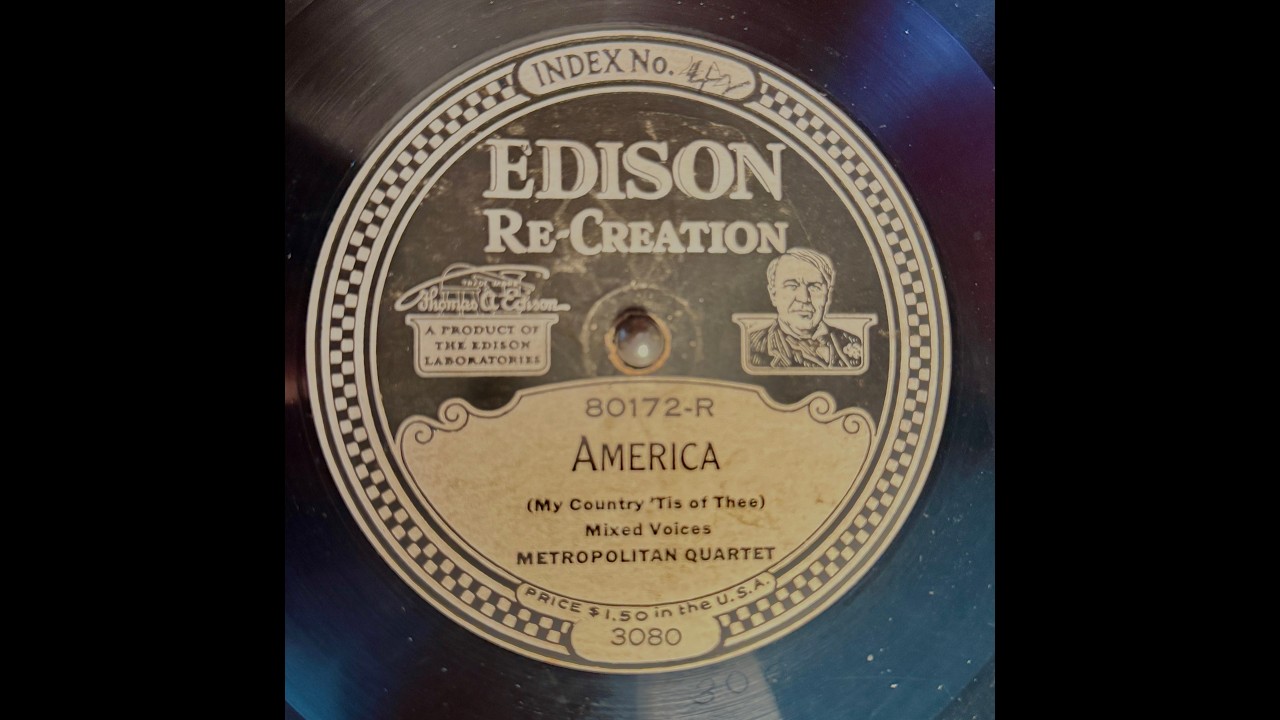
Theodore Roosevelt's "Social and Industrial Justice" was a landmark 1912 Progressive Party platform calling for an eight-hour workday, minimum wage laws, the abolition of child labor, and worker protections. Roosevelt outlined these foundational working-class rights in his famous 1912 speeches and Edison recordings.

June 17, 2026
The Dark Truth Behind the New Government UFO Releases - Part Two
Dr. Simeon Hein joins us for a detailed UFO discussion, part two of our series exploring unexplained aerial phenomena. Learn about his research perspective on these sightings. This conversation continues our series, UFO's Another Look, where we examine the evidence surrounding unidentified flying objects. If you have been following the broader topic of UFO sightings, this episode provides a focused dialogue between two experts analyzing the current state of ufology and data collection. We break down specific aspects of Dr. Simeon Hein's work regarding anomalous aerial activity. By watching this discussion, you will gain a clearer understanding of how researchers approach the study of UFOs and the methodologies they employ to document these events. Subscribe for weekly UFO research breakdowns, and tell us in the comments what specific aspect of ufology you want us to cover next.

June 16, 2026
The Dark Truth Behind the New Government UFO Releases - Part One
Part One - UFO sightings are generating fresh scrutiny following the release of official government footage. Dr. Simeon Hein examines the evidence. This Part One of this episode of History's Agenda, titled UFO's Another Look, provides a detailed assessment of contemporary UAP phenomena. Dr. Simeon Hein breaks down the current state of UFO research, moving past the sensationalism often found in mainstream media coverage to focus on what the actual data implies. Viewers interested in the intersection of government policy and unidentified aerial activity will find this analysis useful. Dr. Simeon Hein offers a grounded perspective on why these government UFO videos are significant and what they might represent in a broader historical context. By examining the patterns within these reports, the discussion clarifies the objective facts currently available. Subscribe for weekly historical and scientific breakdowns, and comment below with your perspective on these recent UFO sightings.
March 25, 2026
What They Never Told You About Titanic's Final Hours
This video explores the tragic story of the "titanic", a significant event in "maritime history". We discuss the details surrounding the sinking of the "rms titanic" in the vast "atlantic ocean", a story that continues to fascinate. Understanding this historical event gives us insight into the era's shipbuilding and the human drama of the "titanic ship".

March 13, 2026
Remote Viewing, Demystified with Dick Allgire from the Future Forecasting Group.
A stray thought about a military tanker turns into a real-world headline two days later and that’s where the rabbit hole starts. I’m joined by veteran remote viewer Dick Allgire to talk about remote viewing as a trainable skill, not a vibe: a protocol-driven way to translate subconscious impressions into usable, testable data. We get specific about controlled remote viewing mechanics, including ideograms, the “blackboard” focus method, and why viewers often don’t “see” a movie so much as collect fragments and sensations. Dick shares the moments that convinced him something real was happening, plus why remote viewing can feel tedious and inconsistent even after decades of practice. We also break down target IDs, double blind protocol, and the targeteering process, because without clean tasking, chain of custody, and feedback, accuracy collapses into guesswork. From there we move into the work at Future Forecasting Group, including the hard problem of cryptocurrency forecasting and wh…

March 8, 2026
Hearing 1908 Baseball History on an Antique Edison Phonograph
Take Me Out To The Ball Game. Played on a Edison Standard Phonograph c 1900 Performer:Edward Meeker. Edison Record: 9926. Release year:1908
March 8, 2026
Taft vs. Democrats: The 1908 Speech Nobody Remembers
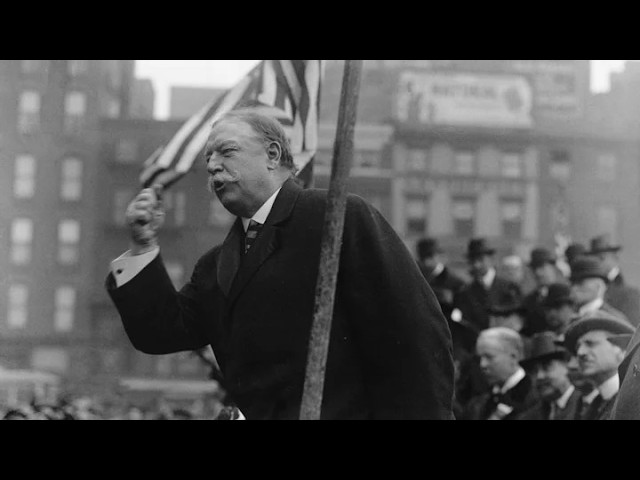
In 1908, William Howard Taft (September 15, 1857 to March 8, 1930) was the Secretary of War under President Theodore Roosevelt, when he received the Republican nomination for President. After delivering his acceptance speech in Cincinnati, he traveled to Virginia Hot Springs, arriving on the morning of August 1. Walter H. Miller and George H. Werner of the Edison Recording Department were there to record Taft delivering some of his speeches. That evening, Miller and Werner recorded Taft delivering 12 speeches, each about 2 minutes long, which were released as Edison records. This speech, opposing a Democratic proposal for jury trial in cases of contempt of court, was released as Edison Record: 10005. Taft was elected and served as President from 1909 to 1913. He was later appointed Chief Justice of the Supreme Court in 1921 and served until 1930. As Chief Justice he wrote the opinion of the Court in Ex parte Grossman, 267 U.S. 87 (1925), holding that the President can pardon crimina…
March 3, 2026
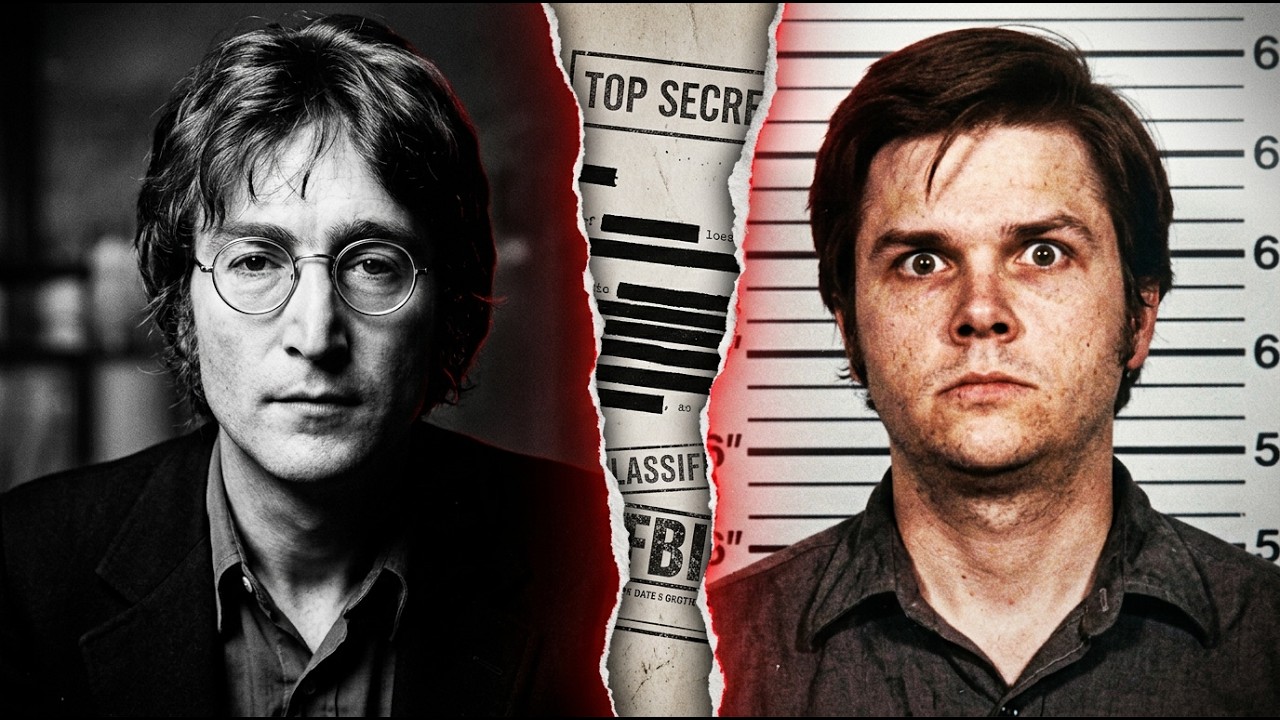
David Whelan on the Lennon Assassination: Evidence They Don't Want You to See! Part Two!
In Part Two of our interview with David Whelan, we continue our deep dive into the complex narrative surrounding the assassination of John Lennon. We explore the intricacies of the events, challenging official accounts and questioning witness statements. The enduring legacy of John Lennon, The Beatles, and Yoko Ono is central to understanding the impact of this tragic event.

March 2, 2026
David Whelan on the Lennon Assassination: Evidence They Don't Want You to See! Full Part One Episode
David Whelan is a foremost authority on the assassination of John Lennon. The conversation explores the complexities surrounding Mark Chapman's life and motivations. Chapman's background includes influences from religion and potential MKUltra programming. The significance of Chapman's time in Hawaii is highlighted as a turning point. The relationship between Chapman and Gloria raises questions about complicity.The day of the assassination is dissected for inconsistencies in witness statements.The role of security and bodyguards is questioned in the context of the assassination. Political implications, particularly regarding Reagan's administration, are discussed. The narrative surrounding the assassination is filled with conspiracy theories and unanswered questions. The legacy of John Lennon continues to provoke discussion and analysis. The political landscape during Nixon and Reagan's era influenced many events.John Lennon was a significant cultural figure advocating for peace.The me…
Feb. 11, 2026
Gorbachev Said The Beatles Won The Cold War #history #coldwar
Mikhail Gorbachev famously credited the Beatles with a more significant impact on the end of the Cold War than traditional political or military measures. This video explores how the Beatles' influence, particularly during the 20th century, played a crucial role in shaping the geopolitics of the time. It's a fascinating look at the soviet union and russia's historical context.

Feb. 11, 2026
John Lennon's Political Activism Terrified Nixon
This video examines John Lennon's consideration of live music concerts for charitable purposes, contrasting it with false reports of his involvement in political events. We learn about the historical context surrounding these discussions and how they relate to broader politics. It's a fascinating video essay exploring the intersection of music, charity, and public perception during a time of significant current events.
Feb. 7, 2026
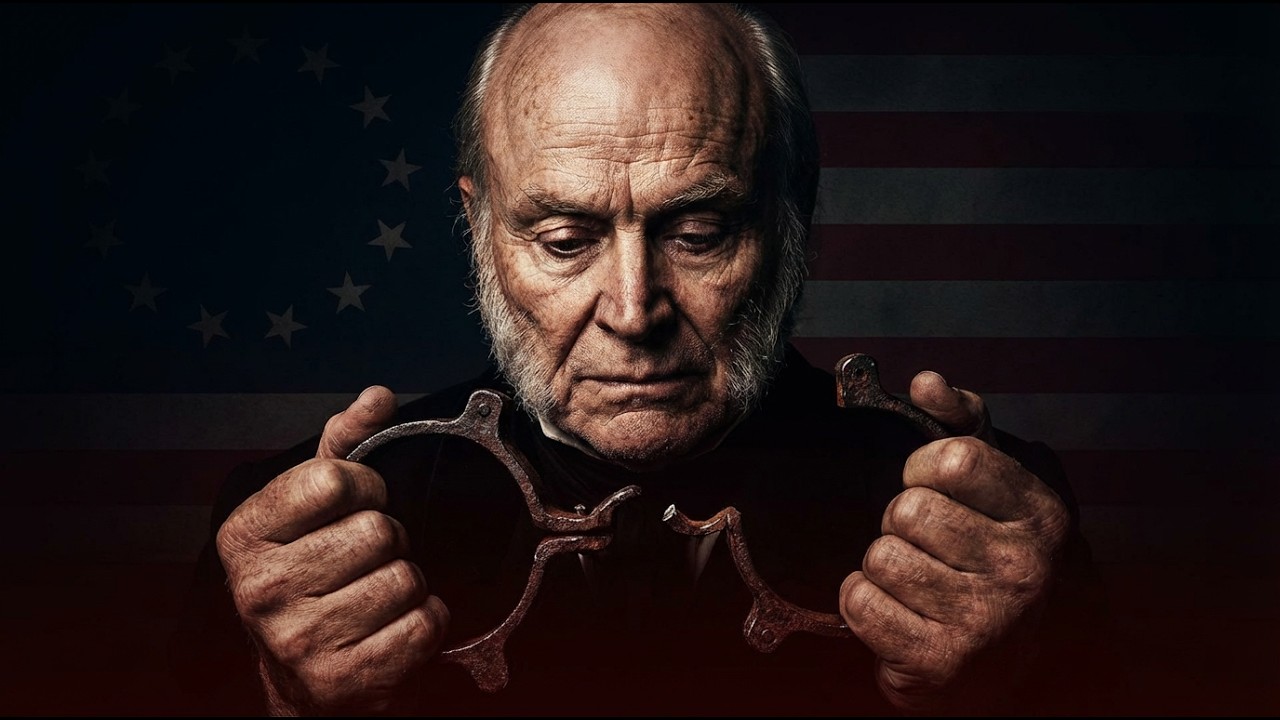
Our Founding Son: John Quincy Adams. From Musket Balls To Amistad.
Join us as we explore the life of President John Quincy Adams in this engaging history video! Discover fascinating facts about his impact on American history and the era he shaped. Plus, we'll share tips on how to style turtlenecks, perfect for those who want to channel that classic presidential look! 🎩🇺🇸

Sept. 10, 2025
The Forgotten Scandal That Made Them Move Washington's remains
Death doesn't end a president's journey. In this riveting exploration of presidential afterlives, Jack Stanley reveals the surprising story of George Washington's remains and their dramatic relocation nearly four decades after his death. Washington's body, originally interred in a deteriorating family tomb at Mount Vernon in 1799, faced unexpected perils. By 1830, tomb raiders had broken in, stealing human remains and forcing action on Washington's long-ignored will provision for a new resting place. What followed was extraordinary: when officials finally moved Washington in 1837, they discovered his remarkably preserved body inside a decaying coffin, creating a moment of intimate connection with America's founding father. This forgotten chapter of history sparkles with fascinating details – from the Philadelphia craftsman who created Washington's marble sarcophagus at his own expense to the yellow liquid that seeped from the coffin during the transfer. Stanley weaves these elements…